Used vs New Instruments: What You Actually Save (2026)
Used instruments typically run 30 to 50 percent below new, and used pianos far less again. Where second-hand is the smartest buy in music, and where it is a costly trap.
A used instrument in good condition generally sells for 30 to 50 percent below new, and used acoustic pianos sell for far less again. Used is the smart buy on brass, pianos, and anything a student outgrows. It is a trap on woodwinds with tired pads and on any instrument you cannot play or have inspected before paying.
The price spectrum, student trumpet by tier
Used, private sale
$120–$200
Roughly 40 to 60 percent of new, shown here on a student trumpet. Cheapest, and every risk is yours: no warranty, no setup, no recourse if the valves stick.
Used, from a shop
$220–$320
Roughly 60 to 80 percent of new. The shop has inspected, serviced, and usually warranted it. The sweet spot for a first instrument, and worth the premium.
New
$400–$800
Full price. You get the warranty, a known history, and on fractional-size student instruments a trade-in path as the child grows.
| Tier | Typical price | What you get |
|---|---|---|
| Used, private sale | $120–$200 | Roughly 40 to 60 percent of new, shown here on a student trumpet. Cheapest, and every risk is yours: no warranty, no setup, no recourse if the valves stick. |
| Used, from a shop · best value | $220–$320 | Roughly 60 to 80 percent of new. The shop has inspected, serviced, and usually warranted it. The sweet spot for a first instrument, and worth the premium. |
| New | $400–$800 | Full price. You get the warranty, a known history, and on fractional-size student instruments a trade-in path as the child grows. |
The used-instrument market is the biggest lever a music budget has, and most families never pull it. Partly because nobody explains where second-hand is safe. Mostly because a marketplace listing gives you no way to tell a bargain from a wreck.
Both problems are solvable. The answer is not “always buy used” or “always buy new.” It is that some instruments hold up beautifully second-hand and some hide expensive faults, and the difference follows a pattern.
What used actually saves
As a rough shape across the market, a used instrument in honest condition sells for 30 to 50 percent below the new price. Buy privately and you can do better than that; buy from a shop that has inspected and set it up and you will pay nearer the top of the range.
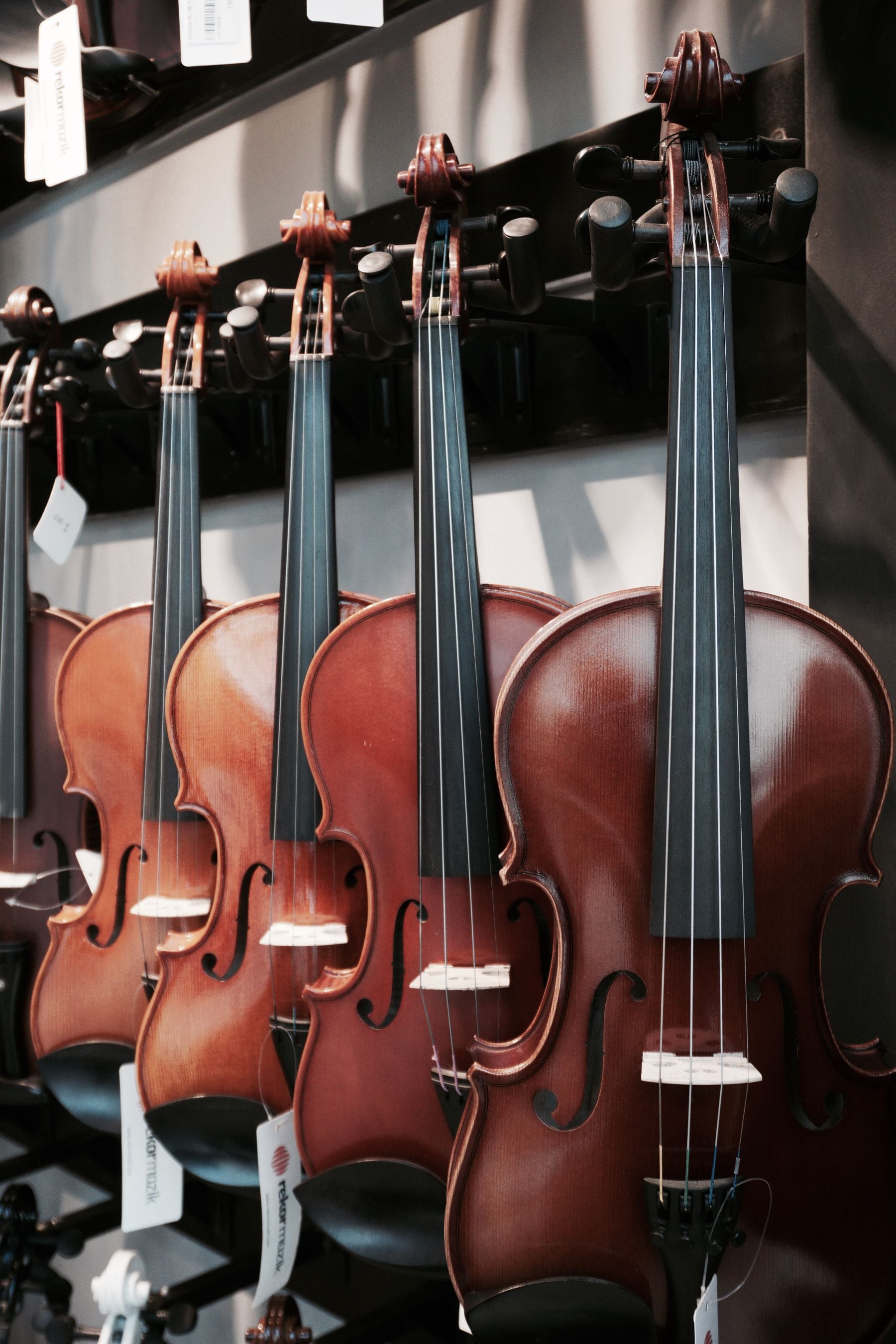
Acoustic pianos are the outlier, and it is not close. A used upright or grand routinely sells for 40 to 50 percent less than new, and at the very bottom of the market people give pianos away because moving one costs more than the instrument is worth. That last part is the trap, and there is a section on it below.
Where used is the smart buy
Brass. A trumpet, trombone, or tuba is a tube. There is no soundboard to crack and no pads to rot. A well-kept used Yamaha student trumpet at $250 to $350 is among the strongest values anywhere in music, and it will still be worth something when the player upgrades. Check the valves move freely, the slides are not seized, and the tubing has no red rot, which shows as pinkish patches where the brass has corroded.
Pianos. The depreciation is so steep that used is the default recommendation for anyone set on an acoustic. Have a technician inspect it before money changes hands. The pin block, soundboard, and action are what you are paying for, and none of them are visible from a photograph.
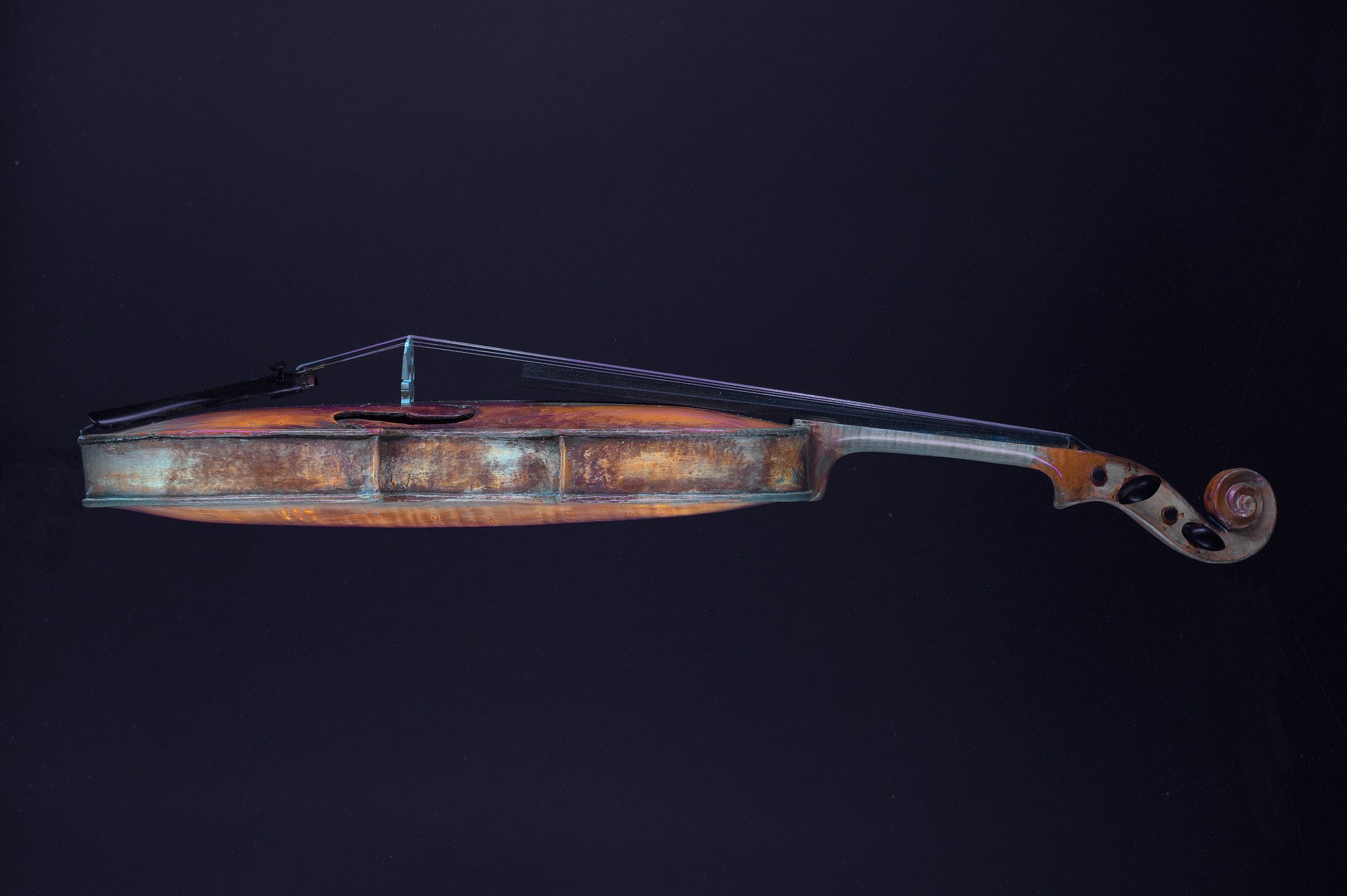
Fractional-size student strings. A 1/2-size violin has a guaranteed two-year working life before the child outgrows it. Buying that new is spending full price on a known short lease. This is the clearest used case on the whole list.
Professional instruments. At the top of the market age is often a virtue rather than a discount. Fine violins and cellos appreciate, and a used professional oboe at $3,000 to $6,000 against $6,000 to $12,000 new is a genuine saving on an instrument that will have been serviced by someone who knew what they were doing.
Where used is a trap
Woodwinds with unknown service history. Pads, corks, and springs are consumables with a limited life. A used clarinet or flute that “just needs a bit of work” can need a full repad, which runs into the hundreds and can exceed what a new student instrument costs. Wood-bodied instruments add crack risk on top.
Anything you cannot try or have inspected. This is the real rule, and it cuts across every family. The saving on a used instrument is the money you did not spend; the risk is the repair you cannot see. An inspection fee at a local shop is the cheapest insurance in this entire article.
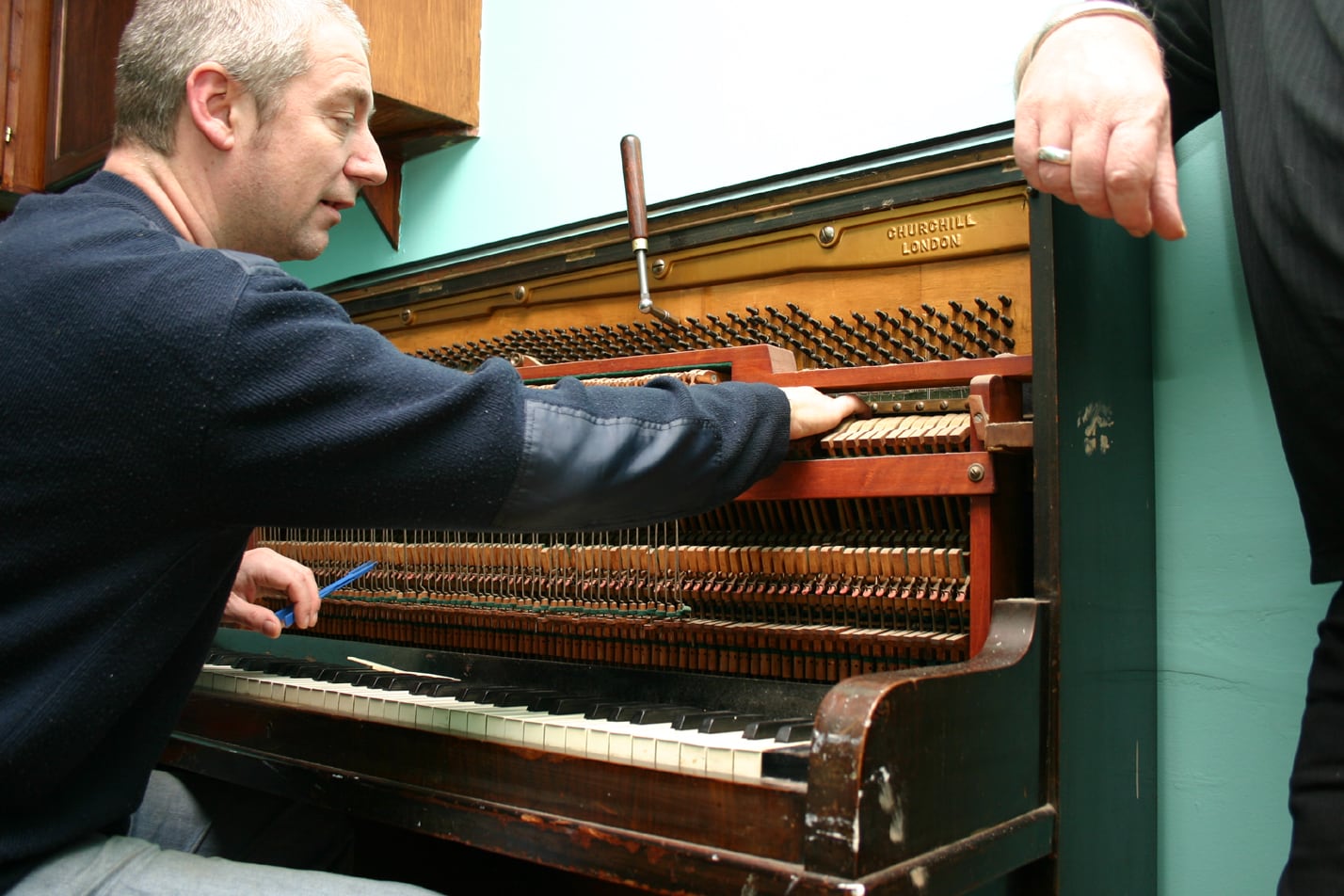
The free piano. Someone offers a free upright, and the instrument itself is genuinely free. Then it costs a few hundred dollars to move, and the technician finds it needs tuning it has not had in fifteen years, regulation, and possibly a pin block it is not worth replacing. A free piano is rarely free. Price the move and the tuning before accepting one.
Very cheap used from a marketplace. A $60 used violin has the same problems as a $60 new violin, plus wear. Used solves a price problem, not a quality-floor problem. The floor from the beginner cost guide still applies.
How to buy used without getting burned
- Buy from a shop when you can. You pay more than a private sale and you get inspection, setup, and usually a warranty. For a first instrument that premium is worth it.
- Get it played before you pay. By a teacher, a shop, or any player of that instrument. Ten minutes tells an experienced player things no listing photo shows.
- Budget for the reset. New strings, a new reed or mouthpiece, a clean, and possibly a setup. Add $50 to $150 depending on the instrument, and factor it into the comparison.
- Check the serial and the brand. A name a repair tech recognises means parts exist and resale exists. An unbranded instrument is worth roughly nothing when the player moves on.
The comparison that usually decides it
Take the instrument you want. Look up its new student price on its own page here. Then price three things: the same instrument used from a shop, the same instrument used privately, and a year of rental.
For a trumpet that is roughly $400 new, $250 used from a shop, $150 privately, and $324 for a year’s rental. Used from a shop wins on almost any horizon longer than a few months.
For a tuba it is $3,000 new, maybe $1,800 used, and $1,560 for a year’s rental, with the repair risk sitting on your side of the table the moment you buy. That one is far less obvious, which is exactly why the rent or buy page exists.
What to buy new even when you buy the instrument used
Some things should not be second-hand at any price. Prices are typical Amazon ranges as of July 2026; confirm at checkout.
As an Amazon Associate, SoundPretty earns from qualifying purchases.
- A fresh set of strings
Assume any used string instrument needs strings. They are a consumable, and the set on a second-hand instrument is usually dead.
- A box of reeds
Never use someone else's reed. This is a hygiene matter as much as a tone one. The student standard is the old Rico Royal cut, sold as D'Addario Royal since the brands merged.
- A new mouthpiece
Same reasoning for brass. A 7C trumpet mouthpiece is a few dollars and resets both hygiene and setup.
- An instrument care and cleaning kit
The first thing to do with a used horn is clean it properly. Cork grease, valve oil, and a swab cost less than one repair.
Prices vary by brand, condition, and region. These figures were checked against manufacturer and major-retailer listings in July 2026; confirm current pricing with the retailer before you buy.
A few more questions
Is a used instrument bad for a beginner?
No, and it is often better. A used student instrument from a shop that has serviced it usually plays better than a brand-new instrument of the same price bought online, because the shop's setup work is worth more to a beginner than the newness is. The risk is not age, it is condition you cannot assess.
What is the one thing to check before buying used?
Have someone who plays the instrument try it, or pay a shop for an inspection. On strings, look for open seams and a warped neck; on woodwinds, leaking pads and cracks in the wood; on brass, stuck valves or slides and red rot in the tubing. An inspection costs a fraction of the repairs it prevents.